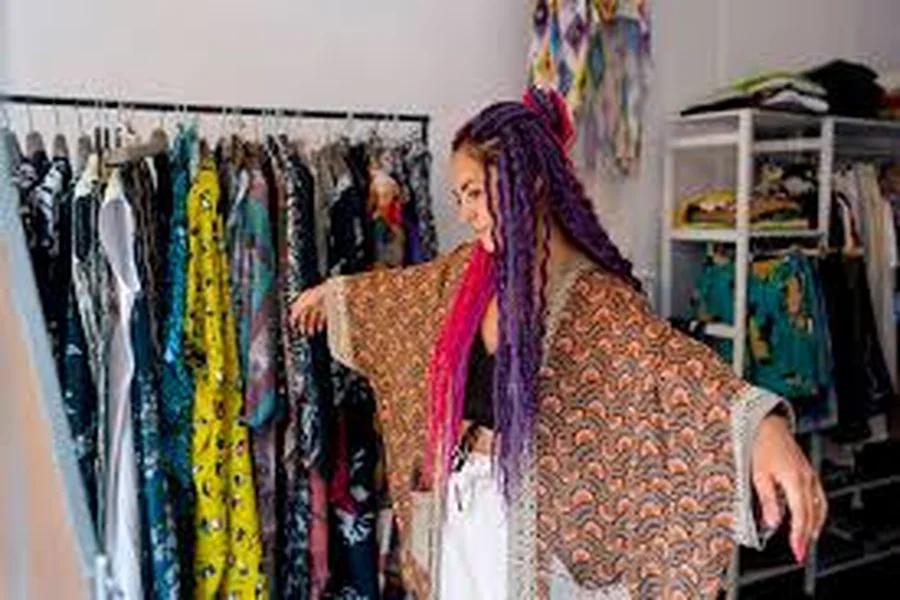
We have all experienced the frustrating phenomenon of staring into a closet bursting with clothes, yet feeling like there is absolutely nothing to wear. It is a common sartorial dilemma that often leads to impulse shopping or settling for uninspired, repetitive outfits. However, the secret to cultivating a great personal style does not necessarily lie in constantly buying new, extravagant pieces. Instead, the true magic happens when you learn the principles of Wardrobe Alchemy: Transforming Basics into Bold Statements. This concept is all about taking the foundational elements of your closet—the reliable white t-shirts, the classic blue jeans, the simple blazers, and the neutral knits—and combining them in ways that command attention and exude confidence. It is a styling philosophy that champions creativity over consumption, encouraging you to see the hidden potential in garments you already own. By rethinking how you approach your everyday clothing, you can unlock an infinite number of outfit combinations that feel fresh, modern, and entirely unique to your personality. When you master this approach, your wardrobe becomes a laboratory of self-expression where even the most unassuming cotton shirt can become the focal point of a stunning ensemble. The journey from a standard, purely functional wardrobe to an extraordinary one requires just a shift in perspective, a willingness to experiment, and a few strategic styling techniques.
The Magic of High-Low Dressing
High-low dressing is the absolute cornerstone of modern fashion alchemy. It involves pairing casual, inexpensive, or purely utilitarian items with formal, luxurious, or statement-making pieces. This intentional contrast creates a dynamic visual tension that makes an outfit instantly more interesting and sophisticated. Consider the humble white crewneck t-shirt. On its own, it is a staple of weekend loungewear and running errands. But when you tuck that exact same t-shirt into a sweeping, sequined maxi skirt or a pair of perfectly tailored wide-leg wool trousers, it acts as a palate cleanser. It effectively tones down the intense formality of the bottoms, making them appropriate for daytime wear while simultaneously elevating the simple shirt itself.
The beauty of high-low styling is that it makes your entire wardrobe infinitely more versatile and wearable. You no longer have to save your “good clothes” for special occasions that rarely happen. A plush velvet blazer can be worn to a casual weekend brunch when it is layered over a vintage band graphic tee and distressed denim jeans. A slinky silk slip dress can be seamlessly transitioned into a daytime staple by throwing a chunky, oversized knit cardigan over it and finishing the look with a pair of minimal white sneakers. By intentionally clashing traditional dress codes, you create outfits that look effortlessly cool and deeply intentional. It signals a high level of confidence and sartorial intelligence, proving that you know the rules well enough to break them stylishly. It also allows you to maximize the cost-per-wear of your most expensive items, ensuring they do not just gather dust in the back of your closet.
Mastering the Art of Layering
Layering is perhaps the most practical and visually impactful tool in your styling arsenal. It transforms a flat, two-dimensional outfit into a three-dimensional masterpiece by adding depth, volume, and visual intrigue. True wardrobe alchemy relies heavily on the ability to stack standard garments in unexpected, creative ways. A standard button-down shirt is a classic wardrobe basic, but its potential multiplies exponentially when you start layering it. Try wearing it completely unbuttoned over a sleek, form-fitting turtleneck for a sophisticated, intellectual vibe, or layer it under a cropped sweater so just the collar, hem, and cuffs peek out for a preppy, modern aesthetic. You can even wear a crisp white shirt under a strapless evening gown or a structured vest to give the piece a modern, avant-garde twist.
The critical key to successful layering without looking excessively bulky is paying close attention to fabric weight, drape, and overall proportions. Always start with thinner, more fitted layers closest to your body and gradually increase the thickness and volume as you move outward. For example, a fine-gauge merino wool turtleneck serves as a perfect, breathable base layer. You can add a tailored denim overshirt on top of it, layer that with a structured tweed blazer, and finish the entire look with a dramatic, sweeping trench coat. Each layer adds a new element of interest, and as you adjust or remove pieces throughout the changing temperatures of the day, the outfit continues to evolve organically. Layering also allows you to stretch your wardrobe across varying seasons, bringing lightweight summer slips into crisp autumn days by simply layering them over long sleeves and opaque tights.
Accessories as the Ultimate Catalyst
In the grand context of fashion, if your basic garments are the base metals, accessories are the philosopher’s stone that magically turns them into gold. Accessories have the unparalleled power to completely alter the mood, silhouette, and final impact of an outfit. A simple black sheath dress can easily read as standard corporate office wear when paired with simple pumps and a delicate silver pendant. However, that exact same dress transforms into an edgy, downtown statement look when styled with chunky leather combat boots, a wide hardware-heavy waist belt, and layered chunky chain necklaces.
Belts, in particular, are incredibly transformative tools that are often underutilized. Cinching a wide belt over an oversized menswear blazer or a loose, flowing maxi dress instantly defines the waist and changes the entire structural dynamic of the garment, turning a shapeless piece into a tailored look. Jewelry can also elevate basics from the mundane to the magnificent. A simple grey crewneck sweatshirt takes on a whole new life when adorned with a pair of bold, oversized gold hoop earrings or a colorful statement collar necklace. Handbags and footwear are equally crucial in this equation. A bright, architecturally structured handbag can serve as the primary focal point of an entirely neutral outfit, drawing the eye and injecting a massive dose of personality into a look built purely on basics. Do not underestimate the quiet power of hosiery, either; patterned tights, sheer stockings, or playful ribbed socks can add a surprising pop of texture and color to an otherwise simple footwear combination.
Playing with Color and Texture
Color and texture are fundamental design elements that can dramatically shift the perception of your clothing. Even if your wardrobe consists almost entirely of neutral basics, how you combine their colors and textures determines their final visual impact. Monochromatic dressing is a foolproof, highly effective technique for making accessible basics look expensive and chic. Wearing a single color from head to toe creates a long, continuous visual line that is incredibly striking and elongating. An outfit composed of a beige knit sweater, beige tailored trousers, and beige suede loafers looks incredibly intentional, cohesive, and luxurious, despite being assembled from very simple foundational pieces.
When dressing in monochrome, the secret to avoiding a flat or boring appearance is aggressively mixing textures. Combine a chunky, tactile ribbed knit with a smooth, flowing silk skirt, or pair matte wool trousers with a glossy leather jacket. This tactile variety adds immense richness and depth to the outfit, keeping the eye engaged. On the exact opposite end of the styling spectrum is color blocking, which involves pairing highly contrasting solid colors to create a bold, graphic look. You can take a basic cobalt blue sweater and pair it with mustard yellow trousers for a combination that confidently demands attention. Even introducing a single, unexpected pop of color—like a vibrant cherry red scarf against a classic navy trench coat or bright green heels with a standard grey suit—can completely elevate the entire ensemble. Texture also heavily influences how colors are perceived; velvet makes colors look incredibly deep and rich, while satin or silk gives them a bright, reflective, and vibrant quality.
Final Thought
Ultimately, transforming your everyday garments into striking ensembles is a rewarding exercise in creativity and self-assurance. It requires you to look far beyond the intended, traditional purpose of a piece of clothing and imagine its full, untapped potential. You absolutely do not need a limitless shopping budget or a closet the size of a boutique to cultivate an incredible personal style. By embracing the tension of high-low dressing, mastering the structural art of layering, utilizing the transformative power of accessories, and fearlessly playing with color and texture, you can maximize what you already own. True style is not about the designer labels on the clothes themselves, but how you uniquely wear them. It is the attitude, the posture, and the quiet confidence that comes from knowing you look exactly how you want to present yourself to the world. Let your closet be a place of joy, self-discovery, and daily experimentation. Trust your instincts, break a few outdated fashion rules, and enjoy the beautiful, transformative process of creating something extraordinary out of the ordinary.
FAQs
How can I make a basic outfit look more stylish? You can elevate a basic outfit by incorporating statement accessories like bold jewelry, a structured bag, or interesting footwear to add visual interest.
What are the essential basics every wardrobe needs? Essential basics typically include a well-fitting white t-shirt, a classic blazer, tailored denim jeans, a crisp button-down shirt, and a versatile pair of neutral trousers.
How do I mix textures in an outfit effectively? To mix textures effectively, contrast different fabric finishes, such as pairing a soft, chunky knit sweater with a smooth, glossy silk skirt or rough denim with luxurious velvet.
Is monochromatic dressing suitable for casual wear? Yes, monochromatic dressing works beautifully for casual wear when you mix relaxed fabrics like cotton and fleece in the same color family for a cohesive look.
Can I wear formal pieces with casual basics? Pairing formal pieces with casual basics, known as high-low dressing, is an excellent way to create balanced, stylish outfits that stand out in everyday settings.