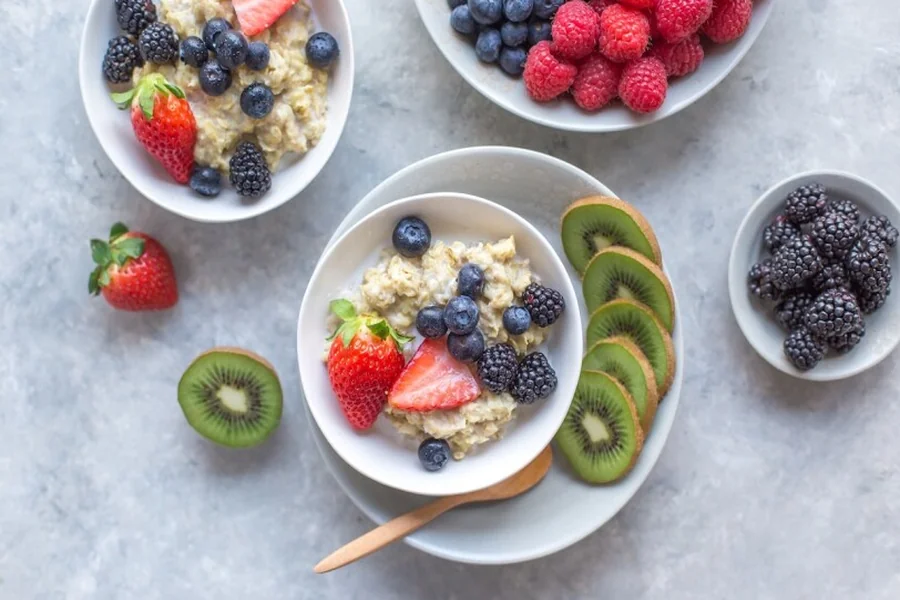
Simple ways to eat healthier do not require expensive ingredients, strict diets, or major lifestyle changes. Small improvements to your daily routine can help you enjoy more nutritious meals while still eating foods you love. Whether you have a busy work schedule, manage family responsibilities, or simply want to feel better, a few practical habits can make healthy eating easier. Choosing more fruits and vegetables, drinking enough water, and preparing meals at home are good places to start. The goal is to create a balanced eating pattern that fits your lifestyle rather than following temporary food rules. With consistency and flexibility, healthier choices can become a natural part of your everyday life.
Add More Fruits and Vegetables to Your Meals
Fruits and vegetables provide essential vitamins, minerals, fiber, and beneficial plant compounds that support overall health. Adding more of them to your meals is one of the easiest ways to improve your diet. Include sliced bananas or berries with breakfast, add vegetables to sandwiches, or serve a side salad with lunch or dinner. You can also mix spinach, carrots, peas, or other vegetables into soups, curries, pasta, and rice dishes. Choosing produce in different colors helps provide a wider variety of nutrients. Fresh, frozen, and suitable canned options can all be nutritious choices. Keep washed fruit visible in your kitchen so a healthy snack is easy to reach when hunger strikes.
Choose Whole Grains and Balanced Meals
Whole grains contain fiber and other nutrients that support digestion and help make meals more satisfying. Consider choosing oats, brown rice, whole-wheat bread, barley, or whole-grain pasta more often instead of relying entirely on refined grains. A balanced meal should also include protein, vegetables or fruit, and a source of healthy fat. For example, brown rice with lentils and vegetables provides a practical combination of nutrients, while whole-grain toast with eggs and tomatoes makes a simple breakfast. You can use the plate method as a flexible guide: fill about half your plate with vegetables and fruit, one-quarter with protein, and one-quarter with whole grains or other starchy foods. Adjust portions to your personal needs and appetite.
Include Protein and Healthy Fats
Protein helps maintain muscles, repair body tissues, and support important bodily functions. You can get it from eggs, fish, chicken, yogurt, beans, lentils, chickpeas, tofu, nuts, and seeds. Try adding a protein source to meals so they are more balanced and satisfying. Healthy fats are also important because they help the body absorb certain vitamins and support normal cell function. Avocados, nuts, seeds, olive oil, and oily fish are useful options. For a quick snack, combine plain yogurt with nuts or pair fruit with a small serving of nut butter. You do not need to avoid fats altogether; instead, focus on choosing beneficial sources and enjoying appropriate portions as part of a varied diet.
Drink More Water and Reduce Added Sugar
Staying hydrated supports digestion, temperature regulation, and other essential body functions. Water is generally a good everyday drink, and keeping a reusable bottle nearby can remind you to drink regularly. Your fluid needs may vary depending on the weather, physical activity, and personal health. Sugary drinks, including sweetened soft drinks and some packaged beverages, can contribute substantial amounts of added sugar without providing much nutritional value. Try replacing some of these drinks with water, sparkling water, or unsweetened tea. You can add lemon, cucumber, or mint to water for extra flavor. You do not have to eliminate every sweet food or drink, but reducing frequent sugary choices can help improve your overall eating pattern.
Plan Meals and Develop Sustainable Habits
Meal planning can make nutritious eating more convenient and reduce last-minute decisions when you are hungry. Set aside time each week to plan a few meals, prepare ingredients, and make a shopping list. Keep practical staples such as oats, eggs, lentils, beans, frozen vegetables, and seasonal fruit available. Cooking larger portions can also provide leftovers for the following day. Pay attention to hunger and fullness rather than eating automatically whenever food is available. Eating slowly may help you recognize when you are satisfied. Most importantly, avoid trying to change everything at once. Start with one manageable habit, such as eating fruit with breakfast or cooking at home more often, and gradually build from there.
Final Thought
Eating healthier becomes easier when you focus on practical changes instead of perfection. Adding more produce, choosing whole grains, including protein and healthy fats, drinking water, and planning meals can help you develop a balanced routine. You can still enjoy favorite foods while making choices that support your nutritional needs. Healthy eating should fit your budget, culture, schedule, and personal preferences. If you have specific dietary requirements or a health condition, consider speaking with a qualified healthcare professional or registered dietitian for personalized advice. Begin with one small improvement today, repeat it consistently, and allow your habits to develop naturally over time.
FAQs
1. What are the easiest ways to start eating healthier?
Start by adding more fruits and vegetables, choosing whole grains more often, drinking water regularly, and including a source of protein in your meals.
2. How can I eat healthier on a limited budget?
Buy seasonal produce, choose affordable staples such as beans and lentils, plan meals before shopping, and use leftovers to reduce food waste.
3. Do I need to stop eating my favorite foods to be healthy?
No, you can enjoy your favorite foods as part of a balanced eating pattern that includes a variety of nutritious ingredients and appropriate portions.
4. Is cooking at home healthier than eating out?
Cooking at home often gives you more control over ingredients, portions, and cooking methods, although nutritious options are also available when eating out.
5. How long does it take to develop healthier eating habits?
The time varies from person to person, but starting with small, realistic changes and repeating them consistently can help make healthier choices part of your routine.