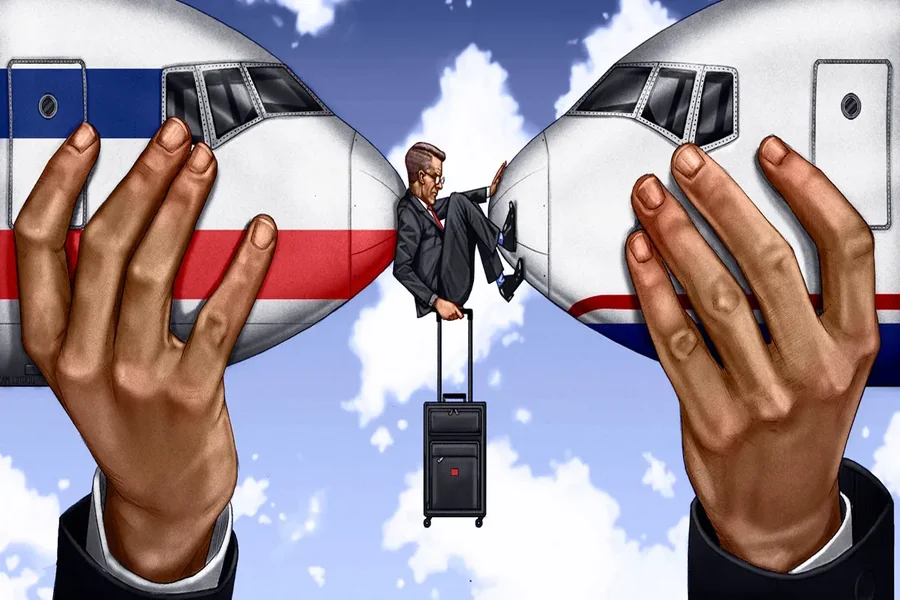
Major airline mergers spark anti-monopoly investigations when governments question whether combining major carriers could reduce competition and harm travelers. Airlines often argue that mergers help them expand route networks, improve operational efficiency, and compete more effectively in the global aviation market. However, regulators must consider whether fewer independent airlines could lead to higher fares, reduced service, and fewer choices for passengers. These concerns become especially important when two large carriers operate on overlapping routes or control valuable airport hubs. As the airline industry continues to evolve, merger investigations play a crucial role in balancing business growth with fair competition and the public interest.
Why Airline Mergers Attract Regulatory Attention
Airline mergers can reshape an entire aviation market by combining fleets, airport slots, employees, customer bases, and route networks. Although these changes may create operational advantages, they can also reduce the number of competitors available to travelers. Regulators therefore examine whether a proposed deal would give the combined company excessive market power on particular routes or at important airports. They may also consider whether smaller airlines could realistically enter the market and challenge the merged carrier. The central question is not simply whether a company becomes larger, but whether the transaction could substantially weaken competition. Investigations help authorities identify potential risks before a merger permanently changes the industry’s competitive structure.
How Anti-Monopoly Investigations Work
When a major airline announces a merger, competition authorities review the proposed transaction to determine its likely impact on the market. Depending on the country, agencies may analyze ticket prices, route overlap, airport access, passenger demand, and the availability of alternative carriers. They can request financial records, operational data, and other evidence from the airlines involved. Regulators may also consult airports, travel organizations, competitors, and consumer groups to understand how the deal could affect passengers. If serious concerns emerge, authorities can request additional information, negotiate remedies, challenge the transaction in court, or block the merger. The process can take months or longer, particularly when the airlines operate across multiple countries with different regulatory requirements.
Potential Effects on Ticket Prices and Passenger Choice
One of the biggest concerns surrounding airline consolidation is the potential impact on ticket prices. When two competing carriers combine, passengers may have fewer alternatives on routes where both airlines previously operated. Reduced competition can weaken the pressure to offer lower fares, attractive schedules, or better customer service. Travelers in smaller cities may face additional challenges if a merged airline decides to reduce less profitable flights. However, the effects are not identical in every situation. Some mergers may improve connections, increase network coverage, or reduce operating costs. Regulators must evaluate whether these potential benefits are likely to reach passengers and whether they outweigh the risks of reduced competition in specific markets.
What Airlines Gain From Mergers
Airlines often pursue mergers to strengthen their financial position and improve efficiency. Combining operations can help carriers coordinate flight schedules, simplify management, share technology, and use aircraft and airport facilities more effectively. A larger network may also provide passengers with more connecting options and make it easier for airlines to compete against international rivals. In some cases, consolidation can help a financially struggling carrier remain operational or support investment in fleet upgrades and customer services. Nevertheless, projected efficiencies should be examined carefully. Cost savings do not automatically translate into lower fares or better service. Regulators must determine whether the claimed benefits are realistic, specific to the proposed merger, and likely to benefit consumers rather than only shareholders.
How Investigations Shape the Future of Aviation
Anti-monopoly investigations can influence not only individual merger decisions but also the long-term direction of the aviation industry. Authorities may approve a deal with conditions, such as requiring the transfer of certain airport slots or other assets to competing airlines. These remedies are intended to preserve competition while allowing businesses to pursue some of the benefits of consolidation. In other cases, regulators may conclude that proposed remedies are insufficient and challenge the merger. Their decisions can affect investment strategies, airline partnerships, route development, and future acquisition plans. Because aviation is an international industry, cooperation between competition authorities can also be important. Consistent oversight helps create clearer expectations for airlines while protecting passengers from potentially harmful market concentration.
Final Thought
Major airline mergers can offer genuine business advantages, but they also raise important questions about competition, affordability, and access to air travel. Anti-monopoly investigations give regulators an opportunity to examine these issues before a deal changes the market. The strongest decisions consider both potential efficiencies and the practical consequences for passengers, including fares, route availability, and service quality. As airlines seek growth in an increasingly competitive global industry, transparent reviews and effective enforcement remain essential. The ultimate goal is not to prevent every merger, but to ensure that consolidation does not undermine meaningful competition or leave travelers with fewer choices and higher costs.
FAQs
Why do airline mergers trigger anti-monopoly investigations?
Airline mergers may reduce competition on certain routes, increase market concentration, or give a combined company greater control over airport access and ticket pricing.
How can an airline merger affect ticket prices?
Prices may rise when a merger removes important competitors, although the actual effect depends on route conditions, remaining airlines, operating costs, and other market factors.
Can regulators stop a major airline merger?
Yes, competition authorities can challenge or block a merger if they determine that it would substantially harm competition under the applicable laws.
Do airline mergers always harm passengers?
No, some mergers may improve connections, operational efficiency, and network coverage, but regulators assess whether these benefits outweigh potential disadvantages for travelers.
What remedies can regulators require before approving a merger?
Authorities may require airlines to transfer airport slots, sell selected assets, or take other measures designed to preserve competition and maintain passenger choice.