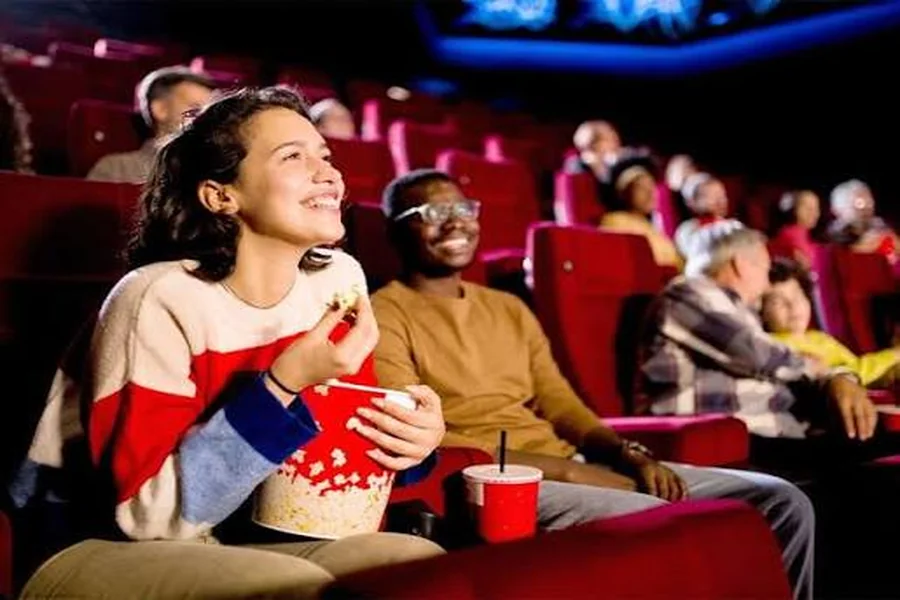
There is a distinct, romantic nostalgia that accompanies the echoes of the silver screen. When we hear that evocative phrase, our minds immediately drift to darkened theaters, flickering projectors, and the glamorous, larger-than-life world of old Hollywood. The golden age of cinema was a time when storytelling relied on subtle expressions, dramatic lighting, and masterful scripts rather than the overwhelming computer-generated imagery that dominates today. It was an era that built the very foundation of the global entertainment industry, establishing the visual grammar and narrative techniques we now take for granted. To truly understand the depth of classic films is to appreciate the sheer artistry and manual labor that went into every single frame. Moviegoers of the early twentieth century were captivated by the pure spectacle of motion pictures, finding escape, hope, and reflection in the glowing rectangles of their local movie palaces. The shared, communal experience of watching a narrative unfold on a massive screen created a cultural touchstone that spanned generations and continents. Today, we still feel the profound resonance of those early cinematic masterpieces in our contemporary media. The pioneering techniques developed decades ago continue to influence modern directors, writers, and cinematographers. Nostalgia alone does not keep these vintage films alive; their enduring quality, universal human themes, and impeccable craftsmanship ensure they remain deeply relevant. By looking back at the trailblazers of the film industry, we gain a much greater appreciation for the movies we consume today, recognizing that every modern blockbuster stands on the shoulders of these early cinematic giants.
The Magic of Vintage Filmmaking
The transition from silent films to talkies marked one of the most significant revolutions in the history of vintage filmmaking, completely altering how stories were told on screen. Before synchronized sound became the industry standard, visual storytelling was paramount, requiring actors to convey deep emotion and complex narratives through exaggerated physical movements and expressive facial features. When sound finally arrived in the late 1920s, it brought a new layer of realism, allowing for rapid-fire dialogue, intricate sound design, and the seamless integration of musical scores that could manipulate an audience’s emotions with incredible precision. This era was defined by the powerful studio system, where major companies like Metro-Goldwyn-Mayer, Warner Bros, and Paramount operated like well-oiled entertainment factories. Directors, writers, and technicians worked under strict contracts and tight schedules, yet they managed to produce a staggering number of artistic masterpieces that have stood the test of time. The aesthetic appeal of classic celluloid film cannot be overstated; the inherent grain, the rich textures, and the stark contrast of black-and-white cinematography created a visual poetry that modern digital cameras often struggle to replicate. Cinematographers of the 1930s and 1940s became masters of lighting, using shadows and illumination to create mood and atmosphere without relying on color. This mastery was particularly evident in the development of distinct genres that captured the public imagination. The lavish musicals of the Great Depression era offered audiences a much-needed glittering escape from their daily economic hardships, featuring synchronized choreography and massive, dreamlike set designs. Conversely, the gritty, shadow-drenched film noir genre emerged following World War II, reflecting a collective societal anxiety, moral ambiguity, and the psychological scars of a world forever changed by global conflict. Each genre developed its own unique visual language, contributing to a rich cinematic tapestry that continues to inspire modern filmmakers who seek to capture that same vintage magic.
Iconic Stars Who Defined an Era
You cannot discuss the history of classic movies without examining the legendary actors and actresses who became the glittering focal points of the studio system’s star-making machinery. These performers were not just actors; they were meticulously groomed cultural icons whose public images were carefully curated by studio executives to maximize their box-office appeal. Icons like Humphrey Bogart, Audrey Hepburn, Cary Grant, Bette Davis, and Clark Gable possessed an aura of seemingly unattainable glamour and sophisticated charm that captivated audiences worldwide. The concept of the modern “movie star” was essentially born during this period, establishing a template for fame that still exists in contemporary pop culture. Their distinct fashion choices influenced global stylistic trends, dictating everything from popular hairstyles to the types of clothing sold in department stores across the country. While early cinematic performances sometimes leaned toward the theatrical and melodramatic, acting styles gradually evolved into more naturalistic and grounded portrayals, particularly with the later introduction of the Method acting technique. The public held a relentless, insatiable fascination with the personal lives of these stars, fueled by a booming industry of fan magazines and powerful gossip columnists who could make or break a career with a single printed rumor. Despite the heavy studio control, many of these stars possessed an undeniable, magnetic screen presence that transcended the often-formulaic scripts they were handed. They became larger-than-life figures who symbolized the collective hopes, dreams, and aspirations of millions of people sitting in the dark theaters. The lasting legacy of these vintage stars is evident in how frequently their images are still referenced in modern advertising, fashion, and art, proving that true star power has a timeless quality that never truly fades from the public consciousness.
How Classic Movies Shape Modern Storytelling
Contemporary cinema owes an immense and undeniable debt to the foundational storytelling techniques developed during the golden age of Hollywood. The narrative structures and visual motifs established decades ago are still vividly apparent in the way modern stories are crafted, paced, and presented to audiences. The classic “three-act structure,” which dictates a clear setup, confrontation, and resolution, was perfected by early screenwriters and remains the rigid backbone of almost every successful mainstream movie produced today. Visionary auteurs of the past, such as Alfred Hitchcock, practically invented the modern thriller, pioneering techniques in suspense, pacing, and psychological audience manipulation that modern directors still study and emulate. Similarly, pioneers like Orson Welles revolutionized the technical side of cinematography with groundbreaking innovations like deep focus, low-angle shots, and unconventional, non-linear narrative pacing, most famously showcased in Citizen Kane. Today’s massive blockbuster franchises still heavily utilize the foundational character archetypes established back in the early days of cinema: the charming rogue, the mysterious femme fatale, the wise mentor, and the reluctant, noble hero. Furthermore, the emotional weight of a film is still largely carried by its musical accompaniment, a concept refined during the classic era. The sweeping, orchestral musical scores composed by legends like Bernard Herrmann and Max Steiner set the definitive template for how music should interact with moving images to create emotional resonance. The deliberate use of musical leitmotifs—specific musical themes tied to representing distinct characters, locations, or overarching ideas—is a direct, inherited technique from classic Hollywood that is still widely used by modern cinematic composers to elevate the storytelling experience.
Preserving Cinematic History for the Future
The physical medium of film is incredibly fragile, making the preservation of cinematic history an urgent and ongoing race against the relentless march of time. Early motion pictures were shot on nitrate film stock, a highly flammable and unstable material that is incredibly prone to severe chemical deterioration and spontaneous combustion. Because of this fragility and a past lack of archival foresight, thousands of early silent films have sadly been lost forever, completely erased from the historical record. Today, dedicated preservation is recognized as a vital cultural necessity, with organizations like the Film Foundation, the Library of Congress, and various international archives working tirelessly to restore, repair, and digitize surviving classic movies. The painstaking process of physically cleaning damaged negatives and scanning original 35mm and 70mm prints in ultra-high 4K and 8K resolution allows contemporary audiences to see these films exactly as they were originally intended to be seen. The cultural and historical importance of preserving this media cannot be overstated, as movies serve as a vibrant time capsule of the eras in which they were made. It is not just about saving old, entertaining stories; it is fundamentally about preserving a vital visual record of human history, documenting shifting societal norms, evolving fashion, historical landscapes, and the gradual artistic evolution of the medium itself. Film festivals, dedicated restoration screenings, and independent revival theaters play a crucial role in keeping the communal viewing experience of these classics alive. By ensuring these restored prints are accessible to younger generations, preservationists guarantee that the foundational artistry of the past continues to educate, entertain, and inspire future waves of cinematic creators.
FAQs
What time period is considered the golden age of classic cinema? The golden age typically refers to the prolific era from the late 1920s, coinciding with the advent of synchronized sound, through the early 1960s.
Why is the ongoing effort of film preservation so important? Film preservation is vital because early celluloid physically degrades over time, and saving these delicate films protects our shared cultural and artistic heritage.
How did the sudden transition to sound affect the movie industry? The shift to sound revolutionized storytelling by allowing for spoken dialogue and integrated musical scores, though it unfortunately ended the careers of some silent film stars.
What exactly defines the film noir cinematic style? Film noir is a distinct cinematic style from the 1940s and 1950s characterized by stark, high-contrast lighting, deep moral ambiguity, and cynical or fatalistic underlying themes.
Where can modern audiences easily watch restored classic films today? Restored classics can readily be found on specialized streaming platforms, physical media like high-definition Blu-ray discs, and at independent revival cinemas.
Final Thought
The enduring magic of early filmmaking proves that great storytelling transcends generational divides and technological advancements. As we continue to push the boundaries of what is visually possible on screen, we must never lose sight of the foundational artistry that paved the way for modern entertainment. The legendary actors, visionary directors, and groundbreaking technicians of the past crafted a universal language of emotion and spectacle that still speaks to us today. By actively preserving and celebrating these timeless works, we honor a vital piece of our shared cultural history. The echoes of the silver screen will never truly fade as long as there are audiences willing to sit in the dark, look up, and let themselves be transported by the pure magic of the movies.
1 thought on “Echoes of the Silver Screen: The Golden Age of Cinema”