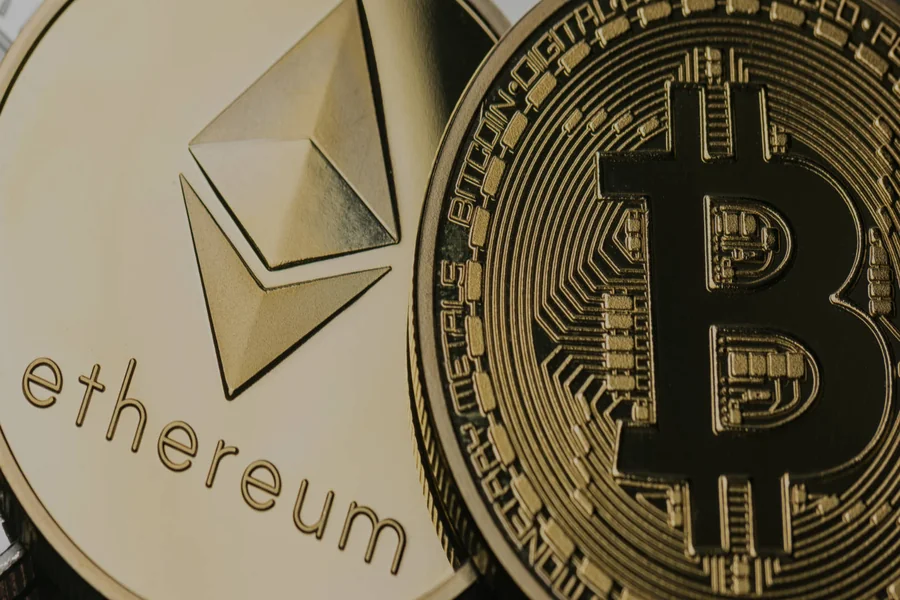
Cryptocurrency markets stabilize following new international guidelines when clearer regulatory expectations help reduce uncertainty and encourage more consistent practices across the digital asset industry. Cryptocurrency prices have historically experienced sharp fluctuations driven by investor sentiment, economic conditions, technological developments, and regulatory announcements. Although new guidelines cannot eliminate volatility, they may help investors and businesses better understand their responsibilities and assess potential risks. International coordination can also encourage stronger safeguards against fraud, money laundering, and market manipulation. However, the relationship between regulation and market stability is complex. Understanding how these developments affect exchanges, investors, and digital asset companies can help readers make sense of changes in the evolving cryptocurrency landscape.
Why International Cryptocurrency Guidelines Matter
Cryptocurrency operates across borders, while financial regulations have traditionally been developed and enforced at the national level. Differences between countries can create uncertainty for exchanges, digital asset businesses, and investors who operate internationally. Common guidelines can help clarify expectations for areas such as customer verification, financial disclosures, asset custody, and anti-money laundering controls. They may also encourage businesses to adopt more consistent compliance procedures. When companies understand the rules that apply to their activities, they can make better-informed operational decisions and potentially reduce legal uncertainty. Nevertheless, international guidelines do not automatically create identical laws in every country. Their effectiveness depends on how individual jurisdictions implement them, supervise regulated businesses, and enforce the requirements in practice.
How New Guidelines Can Improve Investor Confidence
Clearer rules can help investors understand how cryptocurrency platforms operate and what protections may be available when problems occur. Requirements covering customer verification, transaction monitoring, financial reporting, and secure asset management can reduce opportunities for certain forms of fraud and financial crime. The Financial Action Task Force (FATF) reported in July 2026 that 83% of surveyed jurisdictions had passed legislation implementing its Travel Rule, which supports the exchange of specified information about parties involved in qualifying transfers. However, implementation gaps remain across countries. <Cite refs={[“turn765681search0″,”turn765681search3”]}> </Cite> Greater consistency may encourage responsible businesses to participate in the market, but investor confidence also depends on reliable platforms, transparent operations, and effective enforcement. Regulation alone cannot guarantee stable prices or prevent investment losses.
Challenges That Could Continue to Drive Volatility
Even with stronger international standards, cryptocurrency prices can fluctuate sharply. Market sentiment, interest rates, inflation, geopolitical developments, technological failures, and sudden changes in trading activity can all influence valuations. Regulatory changes may also create short-term uncertainty when businesses need to adjust their operations or investors reconsider their expectations. Differences between national laws can complicate cross-border transactions and create opportunities for businesses to move activities to jurisdictions with weaker oversight. The Financial Stability Board has highlighted continuing inconsistencies in the implementation of global crypto regulatory frameworks and the need for stronger international cooperation. <Cite refs={[“turn765681search10”]}></Cite> These challenges demonstrate why improved regulation should be viewed as one part of a broader effort to strengthen market resilience rather than a complete solution.
What Investors and Cryptocurrency Businesses Should Expect
Investors should pay attention to regulatory announcements, platform disclosures, security practices, and the financial risks associated with individual digital assets. Before using an exchange, it is sensible to review its reputation, applicable licensing status, withdrawal procedures, and available security features. Businesses should monitor relevant legal requirements and invest in compliance systems that can adapt as rules evolve. Clearer standards may increase administrative costs, particularly for smaller platforms, but they can also encourage better risk management and more transparent operations. Investors should remember that stablecoins, cryptocurrencies, and other digital assets have different risk profiles. No international guideline removes market risk, guarantees returns, or protects every investment from loss. Independent research and careful risk management remain essential.
Final Thought
Cryptocurrency markets may benefit from clearer international guidelines because consistent oversight can reduce regulatory uncertainty, strengthen compliance, and support greater confidence in digital asset services. However, market stability depends on more than regulation alone. Economic conditions, investor behavior, cybersecurity, liquidity, and effective enforcement all influence how prices move. International organizations continue to encourage countries to close regulatory gaps and improve cooperation, but implementation remains uneven. <Cite refs={[“turn765681search0″,”turn765681search10”]}></Cite> As the industry develops, investors and businesses should follow credible regulatory updates while recognizing that volatility is likely to remain a defining feature of many cryptocurrency markets. A more mature market will require both responsible innovation and realistic expectations about risk.
FAQs
What does cryptocurrency market stabilization mean?
It refers to a period when cryptocurrency prices and trading conditions become less volatile, although individual assets can still experience significant price movements.
How can international guidelines affect cryptocurrency markets?
International guidelines can clarify compliance expectations, encourage stronger consumer safeguards, and improve cooperation between regulators, although their effects depend on implementation.
Do new cryptocurrency regulations guarantee stable prices?
No, regulations cannot guarantee stable prices because cryptocurrency markets remain sensitive to economic conditions, investor sentiment, liquidity, and unexpected events.
What is the purpose of the FATF Travel Rule?
The FATF Travel Rule establishes standards for collecting and transmitting specified originator and beneficiary information for qualifying virtual asset transfers under applicable requirements.
Should investors buy cryptocurrency when markets appear stable?
Investors should assess their financial situation, risk tolerance, and the specific asset before investing because a period of lower volatility does not guarantee future gains.