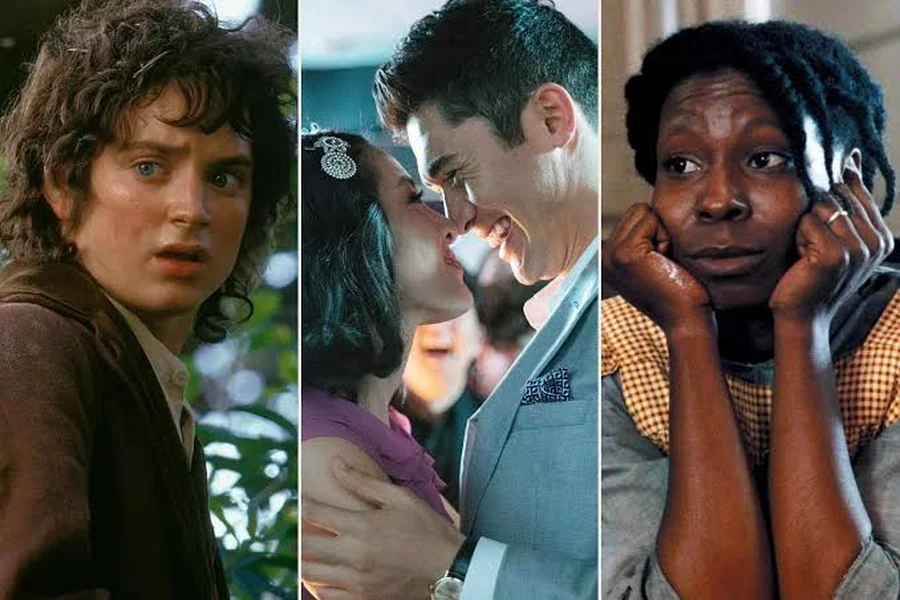
Every year, audiences flock to theaters and streaming platforms to watch their favorite books come to life. The process of Page to Screen: The Complex Journey of Literary Adaptations Mainstream has become a dominant force in the entertainment industry. Bringing a written story into a visual medium is never a simple translation. It requires a delicate balance of honoring the source material while restructuring the narrative to fit the constraints of film or television. When directors and screenwriters take on a beloved novel, they accept the massive responsibility of satisfying existing fans while attracting entirely new audiences. This intricate dance between literature and cinema shapes much of our modern pop culture landscape, transforming quiet reading experiences into shared global phenomena.
The Evolution of Storytelling Formats
For decades, Hollywood has looked to the publishing industry for inspiration. In the early days of cinema, adapting classic literature was a way to lend prestige and legitimacy to a new and sometimes controversial visual medium. Today, the dynamic has shifted. Studios aggressively bid for the rights to unpublished manuscripts, anticipating the next massive franchise before the ink is even dry. This shift highlights how interconnected the publishing and filmmaking industries have become. A successful book almost guarantees a built-in audience for a movie, significantly reducing the financial risk for major studios. However, the transformation from a textual format to a visual one requires fundamental changes in how a story is told. Books have the luxury of time and internal monologue. An author can spend twenty pages describing a character’s internal emotional turmoil or detailing the rich history of a fictional universe. Filmmakers do not have this luxury. They must rely on visual cues, actor performances, soundtrack choices, and carefully crafted dialogue to convey the same depth of emotion and world-building in a fraction of the time. This fundamental difference in storytelling mechanics is where the real work of adaptation begins. Screenwriters must identify the core essence of the novel—the themes, the character arcs, the defining moments—and strip away the rest. What remains must then be rebuilt into a structured screenplay that adheres to the pacing and visual demands of the screen.
Balancing Fidelity and Cinematic Vision
One of the most heavily debated aspects of adapting literature is the concept of fidelity. How faithful should a movie be to its source material? Some purists argue that every omitted subplot and changed character detail is a betrayal of the author’s original vision. However, a shot-for-shot translation of a book usually results in a disjointed and poorly paced film. A novel that takes ten hours to read cannot be perfectly compressed into a two-hour cinematic window without losing something in the process. Therefore, filmmakers must make difficult decisions about what to keep, what to alter, and what to cut entirely. Sometimes, two characters are merged into one to streamline the narrative. Other times, internal monologues are transformed into external dialogue or represented through a character’s actions. The best adaptations are rarely the most literal ones; rather, they are the ones that successfully capture the spirit and tone of the original work while standing on their own as compelling pieces of cinema. Directors must bring their own cinematic vision to the project, utilizing camera angles, lighting, and sound design to elevate the narrative. When this balance is achieved, the adaptation can actually enhance the original story, offering fans a fresh perspective on a world they already love. Conversely, when a director’s vision strays too far from the core identity of the book, it risks alienating the very audience it was meant to attract.
The Impact of Casting on Character Perception
Casting is arguably the most highly scrutinized phase of any literary adaptation. When readers immerse themselves in a book, their imaginations actively construct the physical appearances, voices, and mannerisms of the characters. Millions of readers will invariably have millions of slightly different interpretations of the same protagonist. When a studio announces the cast for a highly anticipated adaptation, it is replacing those countless personal imaginations with a single, definitive visual representation. This transition can be jarring for long-time fans. If an actor does not perfectly match the physical description provided in the text, backlash can be swift and severe. Yet, experienced casting directors understand that finding an actor who embodies the emotional core and energy of a character is far more important than finding someone who simply matches their physical description. A brilliant performance can completely redefine a character, permanently altering how even the most devoted readers perceive them. Once a talented actor breathes life into a role, their face becomes inextricably linked with that character in the cultural zeitgeist. This phenomenon demonstrates the immense power of visual media to overwrite our collective imagination, solidifying a specific interpretation of a literary figure for generations to come.
Why Some Beloved Books Fail on Screen
Despite the best intentions and massive budgets, many highly anticipated adaptations fail to resonate with audiences and critics alike. The reasons for these failures are as varied as the stories themselves. Sometimes, the source material is simply too dense or abstract to be effectively translated into a visual medium. Novels that rely heavily on complex philosophical musings, non-linear timelines, or unreliable narrators often lose their magic when forced into a standard screenplay structure. In other cases, studio interference can fatally compromise the adaptation. In an attempt to appeal to the widest possible demographic, executives might demand changes that dilute the story’s original message, insert unnecessary romantic subplots, or alter the ending to be more uplifting. This homogenization strips the story of its unique identity, resulting in a generic film that fails to satisfy existing fans or engage new ones. Pacing issues are another common culprit. When screenwriters attempt to cram too much plot into a limited runtime, the resulting film can feel rushed and emotionally hollow. Characters are not given enough time to develop, and significant plot twists lose their impact because the audience has not been given the chance to invest in the stakes. Ultimately, a successful adaptation requires a deep understanding of why the original book worked, and a failure often stems from a fundamental misunderstanding of that core appeal.
The Role of Fandom in Modern Cinema
The landscape of literary adaptations has been fundamentally altered by the rise of internet culture and vocal fandoms. In the past, audience feedback was largely relegated to box office numbers and critical reviews published long after a film’s release. Today, fans are actively engaged in every step of the production process, from the initial rights acquisition to the casting announcements and trailer releases. This unprecedented level of engagement can be both a blessing and a curse for studios. On one hand, a passionate fandom can provide invaluable free marketing, generating hype and ensuring a strong opening weekend. On the other hand, this same passion can quickly turn toxic if fans feel that their beloved story is being mishandled. Social media campaigns, online petitions, and review-bombing are now common tactics used by dissatisfied fans to express their displeasure. Filmmakers must navigate this volatile environment carefully, acknowledging the desires of the fanbase without compromising their own creative integrity. The most successful modern adaptations are those that manage to thread this needle, offering enough fan service and faithful nods to the source material to appease the purists, while simultaneously crafting an accessible and entertaining experience for the general public.
Final Thought
The bridge between written words and moving images will always be a space of immense creative friction. Transforming a novel into a film or television series is not a matter of simply copying a story from one format to another; it is a complex process of interpretation, deconstruction, and artistic recreation. While the journey is fraught with challenges—from managing runtime constraints to navigating the passionate expectations of fandoms—the rewards of a successful adaptation are undeniable. When done correctly, these projects have the power to breathe new life into classic literature, introduce profound narratives to global audiences, and create shared cultural moments that resonate for decades. As long as there are captivating books being written, the cinematic world will continue to seek them out, ensuring that the art of adaptation remains a vital and endlessly fascinating pillar of mainstream entertainment.
FAQs
What makes a literary adaptation successful? A successful adaptation captures the core themes, emotional resonance, and spirit of the original book while utilizing the unique strengths of visual storytelling to create a compelling standalone experience.
Why do movies often change the endings of books? Filmmakers may change an ending to better fit the cinematic pacing, to provide a more definitive resolution for visual audiences, or to perform better with focus groups during studio testing.
Is it better to read the book before watching the movie? Many prefer reading the book first to experience the author’s original vision and world-building, though watching the movie first can allow you to enjoy the film without the burden of constant comparison.
Why are some books considered impossible to adapt? Books that rely heavily on internal character thoughts, abstract concepts, experimental formatting, or highly subjective realities are often deemed unadaptable because they lack clear visual translations.
How much involvement does an author usually have in a movie adaptation? Author involvement varies wildly, ranging from writing the screenplay and acting as a primary producer to having absolutely no creative control or input once the film rights are sold.
1 thought on “Page to Screen: The Complex Journey of Literary Adaptations Mainstream”