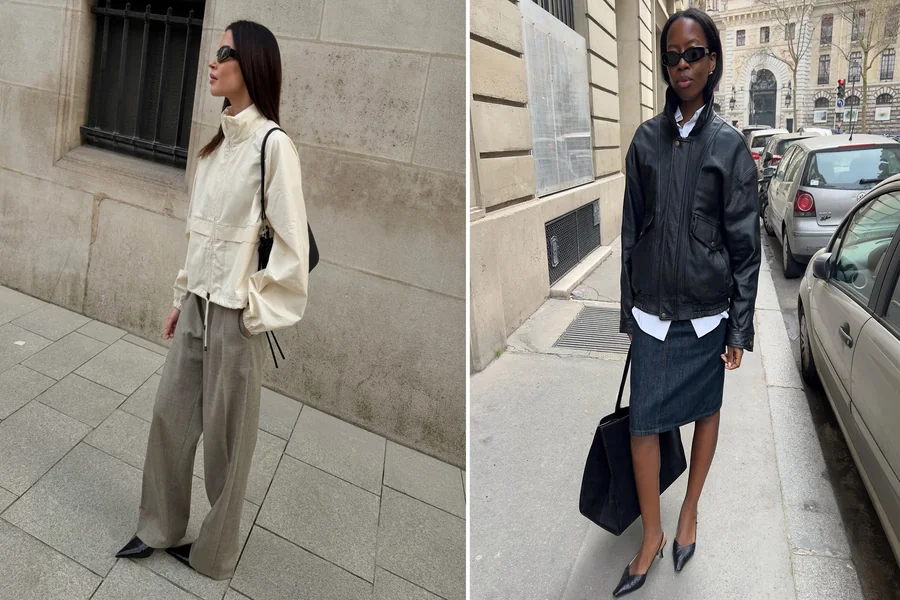
Welcome to the modern era of fashion where looking fabulous absolutely does not require an endless bank account. If you want to master Stylish Dressing on a Budget: Fashion Hacks for 2026, you have arrived at the perfect place. The fashion landscape is shifting rapidly, and the phenomenal news is that personal style is becoming much more about raw creativity and significantly less about expensive designer labels. Looking like a million dollars is an art form that anyone can learn with a little bit of strategic planning and insider knowledge. This year, the global fashion focus is heavily anchored in sustainability, intelligent closet curation, and maximizing the potential of what you already own. You do not need to max out your credit cards or stress over your finances to turn heads when you walk into a room. Instead, you simply need a keen eye for detail, a solid understanding of your personal aesthetic, and a few practical tricks that the luxury fashion industry rarely advertises. Whether you are dressing for a high-stakes corporate job, a casual weekend getaway, or a glamorous evening event, building a cost-effective wardrobe is entirely within your reach. In this comprehensive guide, we will break down the most effective strategies to elevate your everyday outfits, shop with unparalleled smarts, and cultivate a signature look that feels uniquely yours without draining your wallet.
The Capsule Wardrobe Revolution
The capsule wardrobe is not necessarily a brand-new concept, but in 2026, it has become the absolute gold standard for affordable fashion. At its core, a capsule wardrobe is a thoughtfully curated collection of versatile, high-quality clothing items that can be easily interchanged to create dozens of different outfits. The magic of this approach lies in the math; by owning fewer pieces that all work harmoniously together, you exponentially increase your outfit options while simultaneously decreasing your clothing budget. To start building your capsule, you must first establish a foundational color palette. Stick to neutral base colors like navy, black, camel, beige, or olive for your essential items such as trousers, blazers, and skirts. Once your neutral foundation is set, you can introduce one or two accent colors that flatter your skin tone and bring vibrancy to the mix. This minimalist approach forces you to be intentional about every single purchase. Instead of impulsively buying a flashy, trendy shirt that you might only wear once, you learn to ask yourself if the new item can be styled in at least three different ways with the clothes already hanging in your closet. Furthermore, investing in timeless silhouettes—such as a perfectly tailored trench coat, a crisp white button-down shirt, a classic pair of straight-leg jeans, and a sleek turtleneck—ensures that your wardrobe will not look outdated when the next micro-trend inevitably fades. Ultimately, a capsule wardrobe eliminates the daily fatigue of deciding what to wear, saves you a substantial amount of money, and guarantees that you always step out the door looking meticulously put together and effortlessly chic.
Thrifting and Second-Hand Shopping Secrets
Thrifting has evolved far beyond digging through dusty bins in dimly lit charity shops; it has transformed into a premier fashion hunting ground. Second-hand shopping is arguably the most powerful tool for anyone attempting to dress stylishly on a strict budget. In 2026, the digital second-hand market is booming, with advanced peer-to-peer resale apps making it easier than ever to track down high-quality garments from beloved brands at a fraction of their original retail price. To master the art of thrifting, you must approach it with immense patience and a sharp eye for premium materials. Always check the inner care tags before making a purchase. Look specifically for natural, durable fibers such as 100% cotton, rich wool, luxurious silk, and breathable linen. These fabrics not only drape beautifully on the body, making the garment look inherently more expensive, but they also endure the test of time much better than cheap synthetic blends. When shopping at local vintage boutiques or thrift stores, try to look past minor imperfections that can be easily fixed. A missing button, a slight hem issue, or an outdated shoulder pad can usually be remedied with minimal effort or a very cheap trip to your local tailor. Additionally, do not restrict yourself to your designated gender section or your exact size. Oversized blazers from the men’s department can look incredibly stylish when belted over a slip dress, and a slightly larger pair of trousers can be tailored to fit your waist perfectly while maintaining a trendy, relaxed leg. Building a rapport with the owners of your favorite local consignment shops can also give you a significant edge, as they might just notify you when a fresh batch of high-quality inventory arrives before it even hits the sales floor.
Upcycling and DIY Clothing Customization
Before you spend a single penny on new clothing, it is highly recommended to take a critical look at what is currently languishing in the back of your closet. Upcycling—the process of transforming old, worn, or discarded materials into something genuinely useful and beautiful—is a massive trend for 2026. Customizing your existing wardrobe breathes entirely new life into garments you thought you would never wear again, effectively giving you new clothes for free. If you have a pair of jeans that fit perfectly at the waist but feature an outdated flare, a simple pair of fabric scissors can transform them into chic, raw-hem shorts or a trendy midi skirt. If a white cotton dress has become slightly yellowed or stained over the years, purchasing a vibrant fabric dye from your local craft store can magically reinvent it as a stunning, brand-new colorful statement piece. Learning basic sewing skills is another absolute game-changer for the budget-conscious fashion enthusiast. You do not need to become a master seamstress; simply knowing how to hem your own pants, take in the waist of a dress, or securely sew on a replacement button can save you hundreds of dollars in tailoring fees over the years. Upgrading the hardware on your clothing is another brilliant and cost-effective hack. Swapping out the cheap, plastic buttons on an inexpensive cardigan for elegant pearl, tortoiseshell, or vintage metallic buttons instantly elevates the garment, tricking the eye into believing the piece was purchased at a high-end luxury boutique. Creativity is your most valuable currency when it comes to upcycling, so do not be afraid to experiment with fabric paint, subtle embroidery, or unique patching techniques to create one-of-a-kind wearable art.
Smart Shopping Strategies for New Items
While thrifting and upcycling are fantastic, there will always be times when you need or want to purchase something brand new. The key to maintaining your budget in these scenarios is to employ smart, disciplined shopping strategies. First and foremost, you must understand the retail sales cycle. Retailers heavily discount their merchandise at the end of each season to make room for new inventory. Therefore, the absolute best time to buy a high-quality winter coat is in late February or March, and the optimal time to purchase luxury swimwear is in September. Practicing delayed gratification allows you to secure premium staple items at clearance prices. Furthermore, always utilize technology to your advantage. Numerous browser extensions and smartphone applications currently exist that automatically track price drops, aggregate discount codes, and offer cash-back rewards on your digital purchases. When you are assessing the price tag of a new item, always calculate the “cost per wear.” A fast-fashion shirt might only cost $15 upfront, but if it loses its shape and fades after just three washes, its cost per wear is $5. Conversely, if you invest $100 in a structurally sound, beautifully tailored blazer that you wear 50 times over the next two years, the cost per wear is a mere $2. It is always wiser to invest your hard-earned money in a few high-quality foundational pieces—like comfortable, supportive footwear and durable outerwear—rather than squandering it on an abundance of cheap, disposable garments. Finally, always institute a mandatory 48-hour cooling-off period before completing any non-essential clothing purchase; if you are still passionately thinking about the item two days later and can vividly picture three ways to wear it, then it might be a worthy addition to your wardrobe.
FAQs
What is the most important rule for dressing well on a budget? The most important rule is to prioritize the fit of your clothing over the brand name or price tag.
How can I make my cheap clothes look more expensive? You can elevate inexpensive garments by keeping them meticulously ironed or steamed, upgrading the plastic buttons to premium hardware, and ensuring they are tailored perfectly to your body.
Are capsule wardrobes actually practical for people who love fashion? Yes, because a carefully curated capsule wardrobe forces you to focus on high-quality pieces and creative styling rather than relying on endless consumption to express your personal aesthetic.
Where is the best place to find affordable, high-quality basics? Online resale platforms, local consignment shops, and off-price department stores are excellent places to find well-made basics without paying the full retail markup.
How often should I clean out my closet to maintain my style? You should ideally assess and edit your wardrobe twice a year, usually during the major seasonal transitions, to ensure every piece you own still fits properly and aligns with your current lifestyle.
Is it worth paying a professional tailor if I am on a tight budget? It is highly recommended for structured staple items like blazers, trousers, and formal dresses, as a perfect fit drastically increases the perceived value of any garment.
Final Thought
Achieving a spectacular personal style does not require unlimited wealth; it simply demands a shift in perspective. By embracing the power of a capsule wardrobe, exploring the treasures of the second-hand market, getting creative with upcycling, and utilizing smart shopping strategies, you can build a breathtaking closet that rivals any luxury collection. True elegance is found in the way a garment fits, the confidence with which you carry yourself, and the unique flair you bring to your daily outfits. As you move forward through the year, remember that fashion should be a joyful, expressive extension of who you are. What is one item currently sitting in the back of your closet that you could creatively upcycle or restyle this weekend?