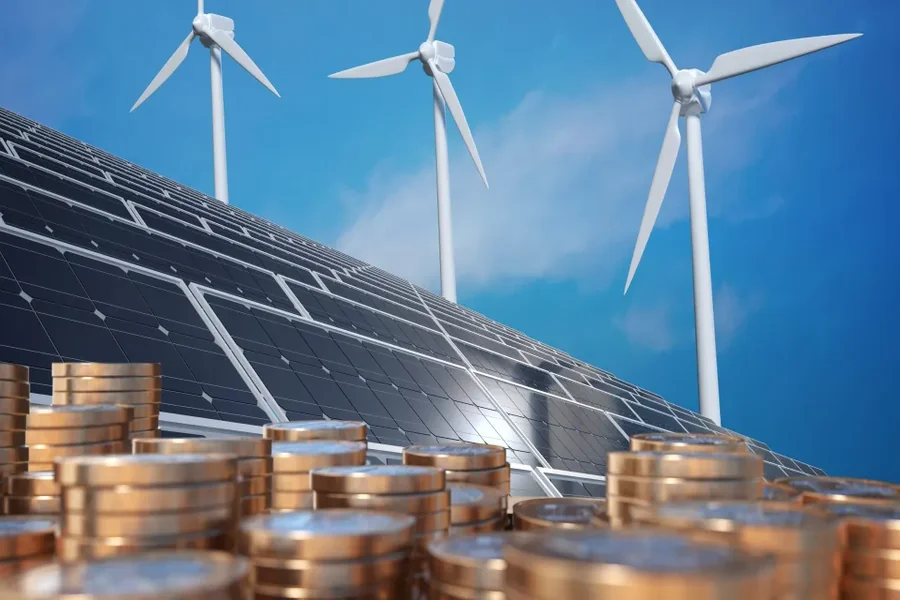
Renewable Energy Sector Sees Record-Breaking Investments in Q3, reflecting growing interest in cleaner power sources, energy security, and long-term sustainability. Governments, private companies, and institutional investors are increasingly looking toward renewable technologies to meet rising electricity demand and reduce dependence on fossil fuels. Solar farms, wind projects, battery storage, and modern electricity networks are attracting attention as countries work toward their climate and energy goals. Strong investment can help accelerate innovation, create jobs, and expand access to reliable electricity. However, the scale and distribution of funding vary between regions, and the sector still faces challenges involving project costs, infrastructure, financing, and regulatory uncertainty.
Why Renewable Energy Investment Is Growing
Several economic and environmental factors are encouraging investment in renewable power. Governments are introducing clean energy policies, setting emissions targets, and offering incentives to support low-carbon technologies. At the same time, businesses are seeking ways to manage energy costs and meet sustainability commitments. Solar and wind power have become attractive options in many markets because technology improvements have reduced costs over time. Investors are also considering the long-term demand for electricity as transportation, manufacturing, and heating become increasingly electrified. Energy security is another important factor. Countries that develop domestic renewable resources can reduce exposure to international fuel price fluctuations and diversify their energy supplies. Together, these trends are creating opportunities for developers, equipment manufacturers, and financial institutions.
Solar and Wind Projects Attract Major Funding
Solar and wind power remain central to the global energy transition. Large solar installations can supply electricity to cities and industrial facilities, while rooftop systems allow households and businesses to generate some of their own power. Onshore and offshore wind projects also offer significant generation potential, particularly in areas with favorable wind conditions. Investors are interested in these technologies because established equipment, experienced developers, and improving project models can make new installations more predictable. Nevertheless, each project requires careful planning. Land availability, grid connections, permitting, equipment supply, and local environmental considerations can affect construction schedules and costs. Offshore wind projects may involve particularly high upfront expenses, making access to reliable financing essential. Continued investment in both technologies can expand clean electricity capacity when projects are planned and managed effectively.
Battery Storage and Grid Modernization Become Priorities
Generating renewable electricity is only part of the challenge. Solar output changes with daylight, while wind generation depends on weather conditions. Battery storage can help balance these variations by storing electricity when supply is abundant and releasing it when demand rises. This capability can improve flexibility and support a more reliable power system. As renewable capacity expands, investment in transmission lines, distribution networks, smart meters, and energy management software is also becoming increasingly important. Modern grids can help move electricity from resource-rich regions to areas with greater demand. However, infrastructure upgrades often require substantial funding, coordinated planning, and lengthy approval processes. Without adequate grid capacity and storage, some renewable projects may struggle to deliver their full potential, even when financing and equipment are available.
Challenges That Could Slow Investment Momentum
Despite growing interest in clean energy, renewable projects face several barriers. Higher borrowing costs can make capital-intensive developments less attractive, particularly when projects depend on long-term revenue forecasts. Changes in government incentives, permitting delays, supply chain disruptions, and rising construction expenses can also affect profitability. In developing economies, limited access to affordable financing may prevent promising projects from moving forward. Another challenge is ensuring that the benefits of clean energy reach local communities through employment, affordable electricity, and responsible land use. Investors must assess these risks carefully rather than assuming that every renewable project will deliver strong returns. Stable policies, transparent procurement processes, skilled workers, and effective partnerships between governments and businesses can help create conditions that support sustainable growth.
Final Thought
Strong investment in renewable energy can help reshape electricity production, strengthen energy security, and support efforts to reduce greenhouse gas emissions. Solar and wind projects are important parts of this transition, but storage technology, grid modernization, and reliable financing are equally necessary. Whether Q3 investment records translate into lasting progress will depend on how effectively funding is converted into completed projects and dependable electricity generation. Governments, companies, and investors will need to address infrastructure gaps, maintain clear policies, and manage financial risks. With thoughtful planning and continued innovation, renewable energy can become an increasingly important part of a resilient and sustainable global energy system.
FAQs
Why is investment in renewable energy increasing?
Investment is increasing because of climate goals, improving technology, energy security concerns, government policies, and growing demand for cleaner electricity.
Which renewable energy sources attract the most investment?
Solar and wind power attract substantial investment, while battery storage, hydropower, geothermal energy, and supporting grid infrastructure also receive funding.
How does battery storage support renewable energy?
Battery systems store excess electricity and release it when generation falls or demand increases, helping balance supply and improve grid flexibility.
What challenges affect renewable energy projects?
Common challenges include financing costs, permitting delays, supply chain problems, grid limitations, and uncertainty surrounding government policies.
Can renewable energy investment create jobs?
Yes, renewable energy investment can create jobs in manufacturing, construction, installation, maintenance, engineering, and electricity infrastructure development.