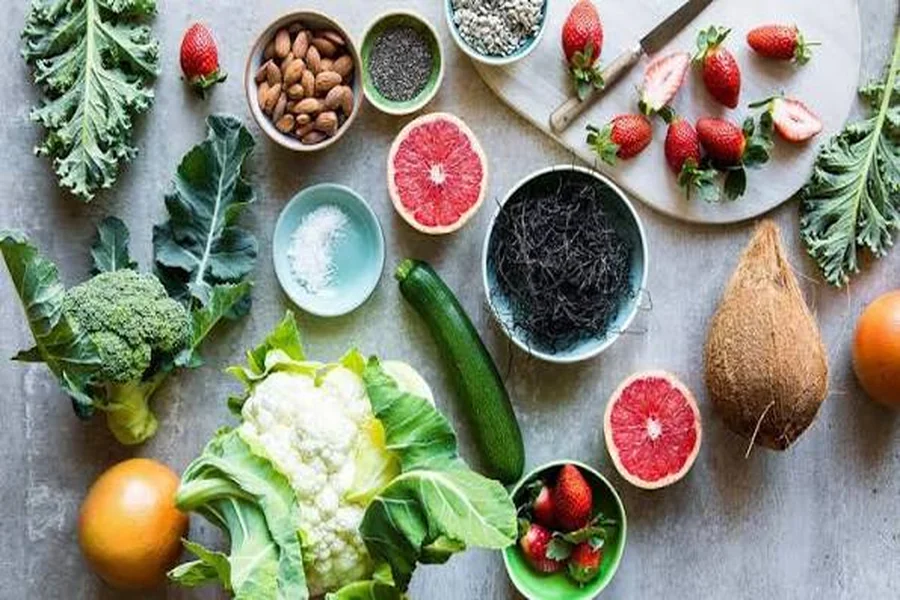
The best foods for a healthy lifestyle provide essential nutrients, support daily energy, and help your body function properly. Making nutritious choices does not mean following a strict diet or avoiding every food you enjoy. Instead, it involves eating a variety of foods that supply vitamins, minerals, protein, fiber, and healthy fats. Fresh produce, whole grains, legumes, nuts, and quality protein sources can all contribute to a balanced eating pattern. Whether you prepare meals at home or rely on quick options during a busy day, small improvements can make healthy eating more manageable. The key is choosing foods that suit your preferences, budget, and nutritional needs while building habits you can maintain over time.
Fruits and Vegetables for Essential Nutrients
Fruits and vegetables are important parts of a nutritious diet because they provide vitamins, minerals, fiber, and beneficial plant compounds. Leafy greens such as spinach, along with carrots, tomatoes, broccoli, oranges, apples, and berries, offer different nutrients that support overall health. Eating a variety of colors helps you benefit from a wider range of these compounds. You can add vegetables to soups, curries, salads, and sandwiches or enjoy fruit as a convenient snack. Fresh, frozen, and appropriately stored canned produce can all be useful choices. Rather than focusing on one particular superfood, aim to include different fruits and vegetables throughout the week to create a more varied and balanced diet.
Whole Grains for Long-Lasting Energy
Whole grains provide carbohydrates for energy and fiber that supports healthy digestion. Unlike refined grains, whole grains retain the bran and germ, which contain useful nutrients. Oats, brown rice, whole-wheat bread, barley, and whole-grain pasta are practical choices for everyday meals. For example, oatmeal with fruit can make a filling breakfast, while brown rice served with vegetables and beans can create a balanced lunch or dinner. Fiber-rich foods may also help you feel satisfied for longer. When shopping, check ingredient lists and choose products that identify a whole grain as a main ingredient. You do not need to eliminate refined grains completely; including whole grains more often is a simple step toward better eating habits.
Lean Proteins and Plant-Based Alternatives
Protein helps the body maintain muscle, repair tissues, and carry out essential functions. Good sources include eggs, fish, chicken, yogurt, beans, lentils, chickpeas, tofu, and other soy products. Including different protein sources throughout the week can improve dietary variety and help you meet your nutritional needs. Plant-based foods such as lentils and chickpeas are especially useful because they provide both protein and fiber. Fish can supply protein and, depending on the type, beneficial omega-3 fatty acids. You can prepare simple meals such as lentil soup, grilled fish with vegetables, or scrambled eggs with whole-grain toast. Choose preparation methods that suit your preferences, and consider baking, steaming, grilling, or lightly sautéing foods as alternatives to frequent deep-frying.
Healthy Fats, Nuts, and Seeds
Healthy fats are an important part of a balanced diet because they support cell function and help the body absorb vitamins A, D, E, and K. Sources include nuts, seeds, avocados, olive oil, and oily fish such as salmon or sardines. Almonds, walnuts, chia seeds, and flaxseeds can be added to oatmeal, yogurt, or salads for extra flavor and nutrients. Replacing some sources of saturated fat with unsaturated fats can support heart health. However, fats are energy-dense, so portions still matter. A small handful of nuts or a modest amount of oil in cooking can add nutrition without making meals overly heavy. Choose a variety of healthy fat sources rather than relying on one food alone.
Build Balanced Meals and Healthy Daily Habits
Choosing nutritious ingredients is easier when you have a practical meal routine. A simple approach is to fill about half your plate with vegetables and fruit, one-quarter with protein-rich foods, and one-quarter with whole grains or other starchy foods. Adjust portions to your appetite, activity level, and individual needs. Drinking water regularly, eating mindfully, and limiting excessive added sugar and highly processed foods can also support overall well-being. Planning meals ahead may help you save time and reduce reliance on less nutritious convenience options. Healthy eating should remain flexible, so there is room for occasional treats and favorite meals. Consistency matters more than perfection, and sustainable habits are generally easier to maintain than restrictive rules.
Final Thought
The best foods for a healthy lifestyle are not limited to expensive products or complicated recipes. Everyday ingredients such as seasonal vegetables, fresh fruit, oats, brown rice, eggs, beans, yogurt, nuts, and seeds can provide a strong foundation for nutritious meals. Focus on variety, balance, and preparation methods that fit your routine. You can begin with small changes, such as adding another serving of vegetables, choosing whole grains more often, or including a protein source at breakfast. Over time, these habits can help you develop a healthier relationship with food and support your overall well-being. If you have specific dietary requirements or health concerns, a qualified healthcare professional or registered dietitian can offer personalized guidance.
FAQs
1. What are the best foods for a healthy lifestyle?
Fruits, vegetables, whole grains, legumes, nuts, seeds, and nutritious protein sources form a strong foundation for a balanced and varied diet.
2. Which foods should I eat every day?
Try to include a variety of vegetables, fruits, whole grains, protein-rich foods, and healthy fats throughout the day, according to your individual nutritional needs.
3. Are frozen fruits and vegetables healthy?
Yes, frozen fruits and vegetables can be nutritious alternatives to fresh produce, especially when they do not contain excessive added sugar, salt, or sauces.
4. What is the healthiest source of protein?
There is no single best source for everyone, so a varied selection of eggs, fish, lean meats, beans, lentils, tofu, and dairy products can help meet protein needs.
5. How can I start eating healthier on a budget?
Choose seasonal produce, buy affordable staples such as oats and lentils, cook meals at home, plan portions, and use leftovers to reduce food waste.