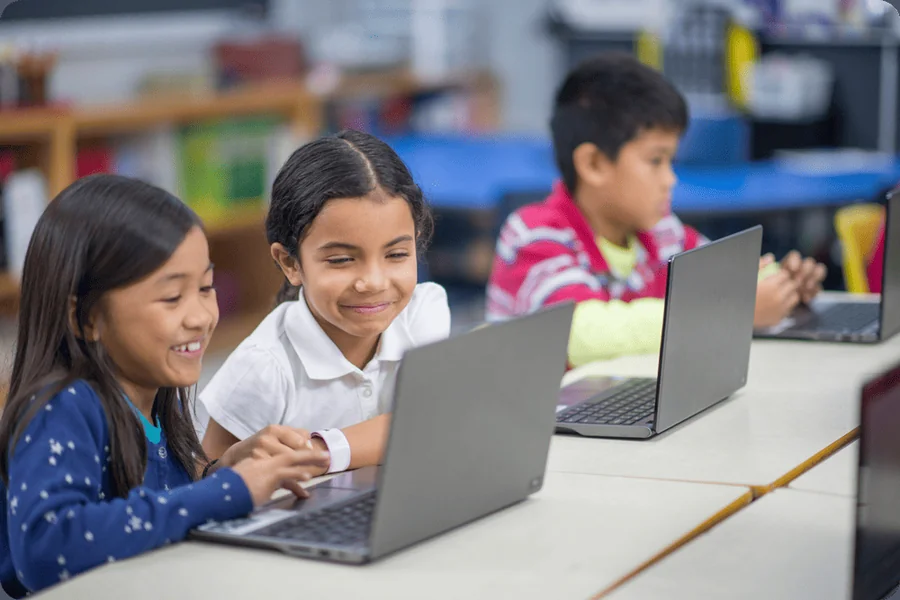
Technology has become an important part of everyday life, and its influence on education continues to grow. Technology in Modern Education has changed how students access information, communicate with teachers, complete assignments, and develop new skills. Traditional classrooms are increasingly supported by digital tools such as interactive whiteboards, educational applications, online learning platforms, and virtual resources. These developments make education more flexible and provide learners with opportunities to study beyond the classroom. Teachers can also use technology to explain complicated subjects, monitor student progress, and create engaging lessons. Although digital learning offers many advantages, it also brings challenges involving accessibility, privacy, and screen time. Understanding these opportunities and limitations helps schools use technology more effectively.
1. How Technology Has Changed Traditional Education
Traditional education mainly depended on printed textbooks, classroom lectures, handwritten assignments, and face-to-face communication. Technology has expanded these methods by giving teachers and students access to digital resources and interactive learning experiences. Students can now research topics online, watch educational videos, attend virtual classes, and submit assignments through digital platforms. Teachers can prepare multimedia presentations and use online tools to explain difficult concepts. These changes have made information easier to access and created additional learning opportunities. However, technology does not replace the importance of qualified teachers or classroom interaction. Instead, it works best when combined with effective teaching methods and clear educational objectives.
2. Benefits of Digital Learning Tools for Students
Digital learning tools help students access educational materials in different formats, including videos, audio lessons, digital textbooks, and interactive exercises. These resources can make difficult subjects easier to understand by presenting information visually and practically. Students can also revisit recorded lessons whenever they need additional explanations. Online quizzes and educational applications provide opportunities to practice skills and receive immediate feedback. Another important benefit is flexibility, as learners can study at a suitable time and pace. Digital resources can also encourage independent learning by helping students research questions and explore new subjects. When used responsibly, these tools can improve engagement and support academic development.
3. Online Education and Flexible Learning Opportunities
Online education has made learning more accessible for people who cannot regularly attend traditional classrooms. Students can participate in virtual lessons, access recorded lectures, download study materials, and communicate with instructors through online platforms. This flexibility is especially useful for working professionals, distance learners, and students living far from educational institutions. Online courses also allow learners to develop professional and personal skills without following a fixed classroom schedule. However, successful online education requires reliable internet access, suitable devices, self-discipline, and effective communication. Teachers should provide clear instructions and regular feedback to keep students involved. Combining online resources with appropriate guidance creates a more effective learning experience.
4. Personalized Learning Through Educational Technology
Every student has different abilities, interests, and learning speeds. Educational technology can help teachers recognize these differences and provide more personalized learning experiences. Some learning platforms adjust exercises according to a student’s performance, offering additional practice when needed and more challenging activities when appropriate. Teachers can also use digital assessment tools to identify subjects where students may need extra support. Recorded lessons and online resources allow learners to review information at their own pace. Artificial intelligence can provide additional learning assistance, although its recommendations should be checked for accuracy. Personalized learning works best when technology supports teachers rather than making important educational decisions without human supervision.
5. Challenges of Using Technology in Education
Despite its advantages, technology creates several challenges for schools, teachers, and students. Not every learner has access to a reliable internet connection, modern devices, or a suitable study environment. This digital divide can create unequal educational opportunities. Excessive screen time may also affect sleep, attention, and physical activity if students do not maintain healthy routines. Online privacy and cybersecurity are other important concerns because educational platforms may collect personal information. Students can also benefit from online resources and educational communities like replycorner, which provide additional opportunities to explore information and engage with digital content. Teachers may also require training before using unfamiliar digital tools effectively. Schools should address these issues through proper planning, digital safety education, affordable access, and balanced classroom policies.
6. The Future of Technology in Modern Education
The future of education will likely involve greater use of artificial intelligence, virtual reality, augmented reality, and advanced digital learning platforms. These technologies can create interactive experiences that help students understand complicated topics. For example, virtual simulations may allow learners to explore scientific processes or historical environments in ways that traditional textbooks cannot easily provide. Artificial intelligence may also support personalized practice, language learning, and administrative tasks. However, educational progress should not depend on technology alone. Human communication, creativity, critical thinking, and teacher guidance will remain essential. Schools that combine innovative tools with responsible teaching practices can prepare students for a changing digital world.
Final Thought
Technology has created valuable opportunities to improve education by making learning more flexible, interactive, and accessible. Digital classrooms, online courses, educational applications, and personalized learning tools can support both students and teachers. At the same time, schools must consider challenges such as unequal access, privacy risks, digital distractions, and excessive screen time. The most effective approach is to use technology as a learning resource rather than a replacement for traditional teaching principles. Teachers, parents, and educational institutions should work together to encourage responsible digital habits. With thoughtful implementation and proper guidance, technology can strengthen educational experiences and help learners develop the skills needed for the future.
FAQs
- What is the role of technology in modern education?
Technology supports modern education by providing digital learning materials, online classrooms, interactive tools, and communication platforms. It helps students access information, practice skills, and learn more flexibly while allowing teachers to create engaging lessons and monitor progress.
- What are the main benefits of technology in education?
The main benefits include easier access to information, flexible learning opportunities, interactive lessons, personalized instruction, and improved communication. Digital tools can also help students develop research skills, digital literacy, and independent learning habits.
- How does technology improve student learning?
Technology improves learning by presenting information through videos, simulations, digital exercises, and interactive activities. Students can review lessons at their own pace, practice difficult concepts, and receive feedback that helps them understand their progress.
- What are some examples of educational technology?
Examples include learning management systems, interactive whiteboards, educational applications, digital textbooks, online classrooms, virtual simulations, and artificial intelligence learning assistants. These tools support different teaching and learning activities.
- Can technology replace teachers in the classroom?
Technology cannot fully replace teachers because education requires human guidance, communication, encouragement, and an understanding of individual student needs. Digital tools are most effective when teachers use them to support instruction and improve learning experiences.
- What are the disadvantages of technology in education?
Common disadvantages include digital distractions, excessive screen time, cybersecurity risks, unequal access to devices, and dependence on internet connectivity. Schools should establish responsible technology policies and provide guidance to reduce these problems.
- How does online learning help students?
Online learning allows students to attend virtual classes, access recorded lessons, and study from different locations. It provides flexibility for people with busy schedules and creates opportunities to access educational resources beyond their local communities.
- How can teachers use artificial intelligence in education?
Teachers can use artificial intelligence to prepare learning materials, generate practice questions, support personalized exercises, and assist with routine tasks. AI-generated information should always be reviewed to ensure accuracy, fairness, and educational suitability.
- Why is digital literacy important for students?
Digital literacy helps students use technology safely, evaluate online information, communicate responsibly, and protect personal data. These skills are increasingly important for academic activities, professional development, and everyday life.
- What is the future of educational technology?
Educational technology may increasingly include artificial intelligence, virtual reality, augmented reality, and adaptive learning platforms. These developments could make lessons more interactive and personalized while helping students prepare for future academic and professional opportunities.