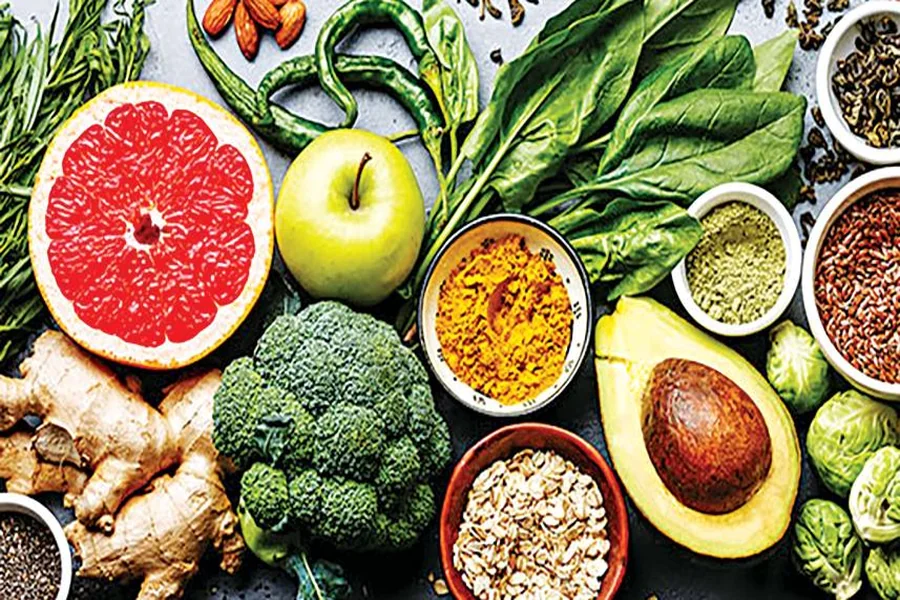
Tips for maintaining a balanced diet can help you build healthier eating habits without following strict rules or giving up the foods you enjoy. A balanced diet provides the nutrients your body needs to support energy, growth, concentration, and overall well-being. However, busy schedules, changing appetites, and easy access to processed foods can make healthy choices challenging. The good news is that eating well does not require expensive ingredients or complicated meal plans. Small, consistent changes can make a meaningful difference over time. By including a variety of foods, paying attention to portion sizes, and planning meals ahead, you can develop a flexible eating routine that fits your lifestyle.
Understand the Basics of Balanced Nutrition
A balanced diet includes a variety of foods that supply carbohydrates, protein, healthy fats, vitamins, minerals, and fiber. Each nutrient plays a different role in keeping the body functioning properly. Whole grains provide energy and fiber, while foods such as eggs, fish, beans, lentils, and dairy products supply protein and other essential nutrients. Fruits and vegetables contribute vitamins, minerals, and beneficial plant compounds. Healthy fats from nuts, seeds, avocados, and certain oils also support normal body functions. Instead of relying on one food group, aim for variety throughout the day. You do not need every meal to be perfect; the overall pattern of your eating habits matters most.
Eat More Fruits, Vegetables, and Whole Grains
Adding more plant-based foods to your meals is a simple way to improve your diet. Fruits and vegetables come in different colors, flavors, and textures, making it easier to enjoy a broad range of nutrients. Try including vegetables with lunch and dinner, adding fruit to breakfast, or keeping washed produce available for snacks. Whole grains such as oats, brown rice, whole-wheat bread, and whole-grain pasta provide fiber that supports digestion and can help you feel satisfied. When possible, choose whole fruit instead of juice because it retains more of its natural fiber. Frozen vegetables and fruits can also be practical, affordable choices, especially when fresh produce is unavailable or expensive.
Include Protein and Healthy Fats in Your Meals
Protein helps maintain muscles and supports the repair of body tissues. Including a source of protein in your meals can also help you feel satisfied after eating. Good options include lentils, chickpeas, beans, eggs, fish, chicken, tofu, yogurt, and other protein-rich foods. Healthy fats are equally important because they help the body absorb certain vitamins and support normal cell function. Nuts, seeds, olive oil, and avocados are useful sources. You can combine these nutrients in simple meals, such as lentil soup with whole-grain bread, grilled fish with vegetables, or yogurt topped with nuts and fruit. Choose a variety of protein sources and adjust portions according to your appetite and individual needs.
Practice Portion Awareness and Stay Hydrated
Healthy eating involves considering how much you eat as well as what you eat. Eating slowly and paying attention to hunger and fullness can help you recognize when you have had enough. A useful starting point is to fill about half your plate with vegetables and fruit, one-quarter with protein-rich foods, and one-quarter with whole grains or other starchy foods. This is a flexible guide rather than a strict rule, and individual needs vary. Hydration also matters. Water is generally a good everyday drink, while the amount you need depends on activity, weather, and personal circumstances. Keep water accessible throughout the day, and consider limiting sugary drinks that provide substantial added sugar without much nutritional value.
Plan Meals and Build Sustainable Eating Habits
Meal planning can make balanced eating easier, especially when work, study, or family responsibilities leave little time for cooking. Plan a few meals in advance, prepare ingredients in batches, and keep convenient staples such as beans, eggs, oats, frozen vegetables, and whole grains available. You can save money by choosing seasonal produce and using leftovers creatively. It is also important to avoid treating food choices as an all-or-nothing decision. Enjoying dessert or a favorite snack occasionally can fit into a balanced eating pattern. Focus on habits you can maintain rather than restrictive diets that are difficult to follow. If you have specific nutritional needs or a medical condition, seek advice from a qualified healthcare professional or registered dietitian.
Final Thought
Maintaining a balanced diet is about making consistent, practical choices rather than trying to eat perfectly every day. Include a range of fruits, vegetables, whole grains, protein sources, and healthy fats while paying attention to hydration and portion sizes. Planning meals, keeping nutritious ingredients available, and enjoying food without unnecessary guilt can help you maintain healthier habits over time. Start with one manageable change, such as adding vegetables to dinner or choosing whole grains more often, and build from there. Your nutritional needs may change with age, activity, and health, so remain flexible and choose an approach that supports your individual well-being.
FAQs
1. What is the easiest way to maintain a balanced diet?
Start by eating a variety of foods, including fruits, vegetables, whole grains, protein sources, and healthy fats, while keeping meals practical and consistent.
2. How many servings of fruits and vegetables should I eat daily?
A common general goal is at least five portions of fruits and vegetables combined each day, although recommendations can vary by country and individual needs.
3. Can I eat my favorite foods while following a balanced diet?
Yes, favorite foods can fit into a balanced eating pattern when you focus on overall variety, appropriate portions, and regular nutritious meals.
4. Why is drinking water important for a balanced diet?
Water supports digestion, temperature regulation, nutrient transport, and other essential body functions, while individual fluid needs vary depending on activity and climate.
5. Is meal planning necessary for healthy eating?
Meal planning is not essential, but it can save time, reduce food waste, and make nutritious choices easier when your schedule is busy.