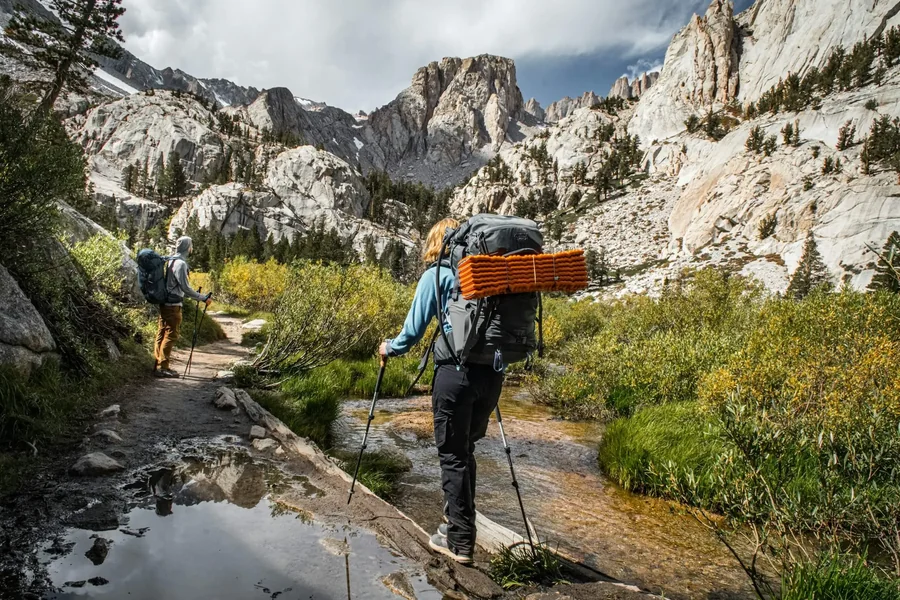
There is a profound, almost primal urge within many of us to leave the bustling noise of modern civilization behind and step into the serene embrace of nature. Venturing into the wilderness offers a rare opportunity to disconnect from digital screens and reconnect with the rhythmic, grounded pace of the natural world. If you are ready to trade concrete sidewalks for dirt trails and truly embrace the wild, Paving Unknown Paths: The Ultimate Backpacking Guide is exactly what you need to start your journey. Trekking into the backcountry is not merely a matter of walking; it is a test of endurance, a masterclass in self-reliance, and a deeply rewarding pursuit that transforms the way you view both the environment and yourself. Whether you are aiming for a quick overnight trip in a local state park or setting your sights on a multi-month thru-hike across rugged mountain ranges, understanding the fundamentals of wilderness travel is non-negotiable. This comprehensive manual is designed to equip you with the knowledge required to navigate unfamiliar terrains with confidence. We will walk you through the entire process, from selecting the right equipment and charting your course to maintaining your energy levels and ensuring your safety. By breaking down the complexities of outdoor excursions into manageable, actionable steps, this resource ensures that your time spent away from civilization is memorable for all the right reasons. Prepare to immerse yourself in towering forests, expansive deserts, and breathtaking alpine meadows as you learn how to thrive out on the trail.
Essential Gear for Your Journey
The foundation of any successful foray into the backcountry relies heavily on the equipment you choose to carry on your shoulders. In the outdoor community, the core of your setup is often referred to as the “Big Three,” which consists of your shelter, your sleep system, and your backpack. Selecting the right backpack is paramount because it acts as the vehicle for all your survival essentials. You will want to look for a pack that correctly matches your torso length and features a robust hip belt to effectively transfer the weight off your shoulders and onto your stronger leg muscles. Capacities generally range from forty to sixty-five liters for standard multi-day trips, though minimalist trekkers might opt for something smaller. When it comes to shelter, your choice will largely depend on the environments you plan to traverse. Freestanding double-wall tents provide excellent protection against harsh weather and biting insects, making them a popular choice for beginners. Conversely, more experienced hikers might experiment with trekking pole tents, ultralight tarps, or even camping hammocks to shave precious ounces off their base weight.
Your sleep system is equally critical, as restful sleep is the only way your body can recover from miles of strenuous exertion. This system includes a sleeping bag or quilt and an insulated sleeping pad. Pay close attention to the temperature ratings of your sleeping bag, ensuring it is rated for at least ten to fifteen degrees colder than the lowest temperatures you expect to encounter. The sleeping pad is not just for comfort; it provides vital insulation from the cold ground, measured by an R-value. Beyond the Big Three, proper footwear can make or break your trip. While traditional heavy leather hiking boots offer substantial ankle support and durability, an increasing number of distance hikers are transitioning to lightweight trail running shoes. Trail runners dry quickly when wet and drastically reduce the fatigue associated with lifting heavy footwear thousands of times a day. Round out your gear list with moisture-wicking base layers, an insulating mid-layer like a down or synthetic fleece jacket, and a reliable waterproof shell to shield you from sudden downpours.
Planning Your Route and Itinerary
Wandering aimlessly into the woods without a concrete plan is a recipe for disaster. Thorough preparation and route planning are what separate a successful excursion from a miserable ordeal. The first step is to honestly assess your physical fitness level and that of anyone accompanying you. If this is your first time carrying a loaded pack, be conservative with your daily mileage expectations. Five to eight miles a day is a reasonable starting point that allows plenty of time to set up camp and enjoy the scenery without pushing your body to the point of injury. Once you have a general idea of your capabilities, begin researching trails that match your desired difficulty and scenery. Look into the total elevation gain and loss, as a five-mile hike up a steep mountain pass will take significantly longer and require more energy than a ten-mile walk along a flat river valley.
Securing the necessary permits is another crucial aspect of the planning phase. Many popular national parks and wilderness areas require backcountry permits to regulate foot traffic and preserve the fragile ecosystem. These permits often need to be reserved months in advance, so early planning is highly recommended. You must also study the availability of natural water sources along your chosen route. In arid climates, you may need to carry several liters of water at a time, which adds significant weight to your pack, whereas in lush, alpine environments, you might find a flowing stream every mile. Finally, always leave a detailed copy of your itinerary with a trusted friend or family member before you depart. This document should include your intended route, where you plan to camp each night, details about the vehicle you parked at the trailhead, and a strict cutoff time for when they should contact emergency services if you have not returned.
Nutrition and Hydration on the Trail
Trekking through rugged terrain with twenty to forty pounds on your back burns a tremendous amount of calories. To sustain your energy levels and keep your muscles functioning optimally, you must adopt a strategic approach to trail nutrition. The goal is to pack foods that offer a high calorie-to-weight ratio. Fats and complex carbohydrates are your best friends in the backcountry. Popular trail foods include nuts, seeds, peanut butter, energy bars, hard cheeses, and cured meats. For your main meals, many hikers rely on lightweight backpacking stoves paired with titanium pots to boil water for dehydrated meals, instant noodles, or couscous. Warm meals provide a significant psychological boost after a long, grueling day of walking. However, some weight-conscious hikers prefer the “cold soaking” method, which involves rehydrating foods like oats or instant beans in a plastic jar with cold water while they hike, completely eliminating the need to carry a stove or fuel canister.
Hydration is just as vital as nutrition, if not more so. Dehydration can lead to fatigue, muscle cramps, severe headaches, and in extreme cases, life-threatening conditions like heatstroke. Because untreated wilderness water can harbor harmful bacteria, protozoa, and parasites such as Giardia, you must implement a reliable water filtration or purification system. Squeeze filters are currently the most popular choice among modern trekkers due to their light weight, ease of use, and quick flow rates. Simply fill a dirty water collection bag from a stream or lake, attach the filter, and squeeze clean water directly into your drinking bottle. Gravity filters operate on a similar principle but rely on gravity rather than manual pressure, making them excellent for groups. It is also wise to carry chemical purification tablets or liquid drops as an emergency backup in case your primary filter breaks or freezes overnight. Make it a habit to drink water continuously throughout the day rather than waiting until you feel thirsty, as thirst is a delayed indicator of dehydration.
Safety and Wilderness Etiquette
The backcountry is a wildly unpredictable environment where conditions can deteriorate rapidly, making safety a continuous priority. A well-stocked first aid kit should always be easily accessible in your pack. At a minimum, this kit needs to include bandages, sterile gauze, athletic tape for treating blisters, antiseptic wipes, ibuprofen, antihistamines, and any personal prescription medications. Learning how to identify and treat hot spots on your feet before they develop into debilitating blisters will save you from excruciating pain. You also need to be prepared for wildlife encounters. Depending on the region, this might mean carrying bear spray and knowing how to deploy it effectively. To prevent animals from associating humans with food, you must store your scented items securely. This is typically done by hanging a bear bag high in a tree or using an approved hard-sided bear canister placed at least one hundred feet away from your sleeping area.
Equally important to your personal safety is the protection of the natural spaces you visit, which is governed by the universal principles of Leave No Trace. These guidelines are designed to minimize human impact on the environment so that these pristine areas remain unspoiled for future generations. The core tenets include packing out all your trash, including biodegradable items like apple cores and toilet paper. When nature calls, solid human waste should be buried in a cathole dug six to eight inches deep and located at least two hundred feet away from any water source, trail, or campsite. Respect wildlife by observing animals from a distance and never attempting to feed them. Furthermore, always camp on durable surfaces like established tent pads, rock, or bare soil to avoid crushing delicate vegetation. By strictly adhering to wilderness etiquette, you contribute to the conservation of the fragile ecosystems that make backcountry travel so enchanting in the first place.
FAQs
What is the best time of year to go backpacking? The ideal season largely depends on your destination, but late spring through early autumn generally provides the most stable and comfortable weather conditions.
How heavy should my backpack be for a multi-day trip? A standard rule of thumb is that your fully loaded backpack, including all food and water, should not exceed twenty percent of your total body weight.
Do I need a physical topographic map if I use a GPS application on my smartphone? Yes, you must always carry a physical map and a magnetic compass because electronic devices are prone to battery failure and software glitches in remote areas.
How do I handle food storage to protect myself and the local wildlife? You should store all food, trash, and scented toiletries in a bear-resistant canister or hang them in a secure bear bag far away from your sleeping quarters.
Final Thought
Embarking on a journey into the wild may initially seem like a daunting endeavor filled with endless gear choices and potential hazards, but the rewards far outweigh the steep learning curve. Stepping off the paved roads and onto the dirt paths allows you to cultivate a profound sense of self-reliance, resilience, and appreciation for the raw beauty of the natural world. Every blister, every steep climb, and every sudden rainstorm teaches you something valuable about your own capabilities. By meticulously planning your route, investing in appropriate gear, and treating the wilderness with the utmost respect, you set the stage for an unforgettable experience. The trails are out there waiting in silence, ready to challenge your body and rejuvenate your mind. Gather your equipment, map your route, and take that first confident step into the unknown.